top of page

VD Placement
Employment Solutions
Fabrication Plant Overview
A fabrication plant is a specialized facility where raw metal materials such as steel, aluminum, and alloys are cut, shaped, welded, and assembled into finished structures or components. The process includes precision cutting, bending, machining, and fabrication using advanced tools and CNC machinery. Skilled technicians ensure accurate measurements, strong welds, and high-quality workmanship. Fabrication plants produce a wide range of products such as industrial frames, pipelines, equipment parts, and structural supports. With strict quality control, safety standards, and modern technology, fabrication units play a crucial role in construction, automotive, engineering, and manufacturing industries worldwide.


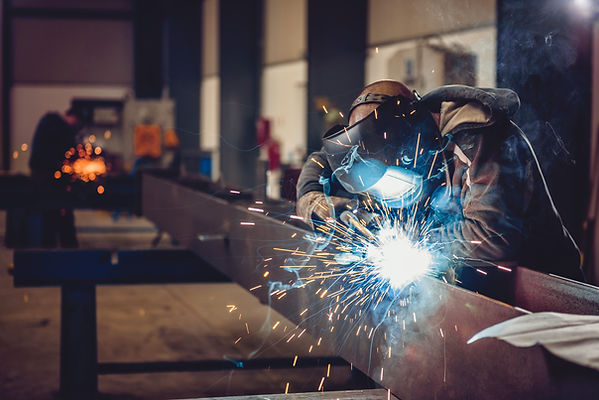
Welding & Assembly
Once parts are shaped, they are joined through welding, bolting, or fastening. Skilled welders and technicians ensure strong joints and proper alignment, creating durable structures, frames, machinery parts, and industrial equipment.

Wide Industrial Applications
Fabrication is essential in construction, automotive, aerospace, engineering, and manufacturing industries. It supports the creation of bridges, pipelines, machine parts, industrial structures, and customized metal products required for large-scale projects.
Cutting & Shaping of Raw Materials
Fabrication involves cutting, bending, and shaping raw metals like steel, aluminum, and alloys into required sizes. Techniques such as laser cutting, plasma cutting, and CNC machining ensure precision and accuracy in every component.
Use of Advanced Machinery & Technology
Modern fabrication plants use advanced tools like CNC machines, hydraulic presses, robotic welding, and 3D modeling. This improves production speed, accuracy, and consistency while reducing manual errors and increasing overall efficiency.

bottom of page